
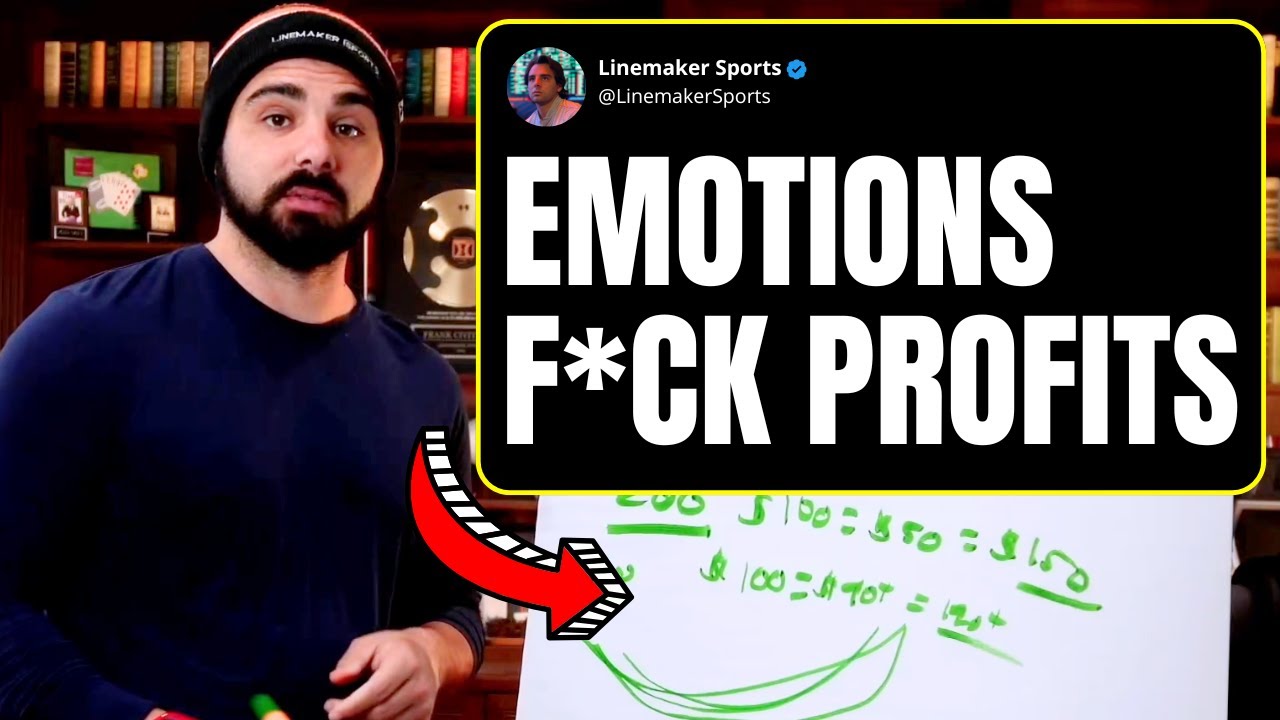
Bundesliga 2022/23 produced constant drama and comebacks, which made emotional swings after losing bets especially intense and tempting to “fix” with a quick recovery wager. Loss‑chasing—raising stakes or increasing bet frequency to win back money—rarely repairs the damage and is widely recognised in research as a central symptom of disordered gambling rather than a rational strategy. If you want to stay in control during such a volatile season, you need specific ways to manage emotions in the minutes and hours after a slip loses, not just general advice about being more disciplined.
Why Bundesliga 2022/23 losses hit emotions so hard
A season with many late goals and reversals creates conditions where losing a bet feels unfair or “almost” right, because one event near the end of a match flips the outcome. That sense of being close feeds the belief that a win is “due” next time, which studies identify as part of the gambler’s fallacy and a driver of loss‑chasing behaviour. In a league where comebacks are normal, the emotional impact of watching your team concede late or miss chances multiplies the psychological pain of losing money, making impulsive reactions more likely if you do not have a plan for what happens next.
What “chasing losses” really means in practice
Researchers define loss‑chasing as increasing stake sizes, extending play or changing strategy after a loss specifically to recoup previous losses quickly, rather than to follow a pre‑planned approach. Instead of returning you to break‑even, this pattern usually leads to a “spending spiral,” where each new bet is emotionally driven and exposes more of your bankroll, compounding both financial and psychological stress. Emotional regulation studies show that the dopamine highs of occasional wins and the sharp lows of losses can trap gamblers in a loop where they chase not only money but also the relief and euphoria associated with winning, which further undermines rational decision‑making.
Recognising emotional triggers immediately after a lost slip
In the minutes after a lost Bundesliga bet, your mind often switches from analysis to emotional self‑talk: blaming referees, players, or bad luck, or telling yourself that “this can’t keep happening.” Researchers note that this mix of anger, frustration and shame is a classic trigger for urgency—acting quickly to relieve negative feelings, which in gambling often means placing another, riskier bet. Recognising these internal signals—racing thoughts, the urge to open another betting screen immediately, replaying key moments obsessively—is the first sign that you are in a high‑risk state where any decision is likely to be driven by mood rather than by clear reasoning.
Simple, pre-agreed rules for the first 30 minutes after a loss
Because emotional systems react faster than rational ones, you need rules set in advance for how to behave right after a loss, especially in a volatile league like the 2022/23 Bundesliga. Research on loss‑chasing and urgency suggests that forcing a pause between the loss and any new decision significantly reduces impulsive behaviour. A practical approach is to commit to at least one fixed rule—like “no new bets for 30 minutes after any losing slip”—and pair it with a brief reflective activity, such as writing down the pre‑match reasoning and whether the result was due to variance or a clear misread. That combination channels the emotional energy into analysis instead of into immediate financial risk, and over time makes each loss part of a learning process rather than just a trigger.
Using UFABET-style tools to support, not fight, your own rules
Online services now offer built‑in tools that can either strengthen your rules or be ignored when emotions are high. In a broad digital environment similar to ufabet168, features like deposit limits, time‑outs and loss caps are mandated or encouraged in regulated markets precisely because chasing losses is so common. If you switch these tools on before the Bundesliga weekend—setting a daily loss ceiling, restricting session length, or enforcing a cool‑off after heavy losses—the system becomes an ally when your own self‑control is under pressure. Once a limit is hit or a time‑out started, you no longer have to negotiate with yourself in the heat of the moment; the structure you agreed to earlier does the job of stopping you from turning one bad matchday into a deeper financial problem.
Mental reframing: seeing losses as data instead of personal failure
Psychological studies emphasise that people feel losses more intensely than equivalent gains, a bias called loss aversion that amplifies the emotional impact of a lost slip. If each losing Bundesliga bet becomes part of your identity—“I’m bad at this” or “I always get unlucky”—the desire to erase that feeling pushes you towards recovery attempts rather than learning. Reframing each bet as one trial in a long series, where the goal is to test and refine a method rather than to win every time, reduces the personal sting of single outcomes; in that frame, the correct response after a loss is to record what happened, adjust if necessary, and accept that variance is a fundamental part of the activity.
Comparisons that reveal when you are slipping into irrational territory
From a cognitive perspective, irrationality shows up when you apply logic differently to wins and losses: treating a winning bet as proof of skill but a losing one as pure bad luck. This asymmetry reinforces confirmation bias—seeking evidence that your approach is right while dismissing evidence that it might be flawed. Noticing when your explanations shift from “I misjudged Dortmund’s defence” to “the universe is against me” is a signal that emotions are rewriting the story, and that it is time to step back rather than escalate stakes based on a distorted narrative.
When to step away completely and where to seek help
Behavioural research frames loss‑chasing as a sensitive marker of emerging gambling disorder, especially when it persists despite repeated negative consequences. Warning signs include regularly breaking your own limits after Bundesliga matches, needing larger stakes to feel the same excitement, lying to people close to you about losses, or using gambling to escape unrelated stress. If these patterns appear, the responsible move is not another set of self‑rules but a break from betting and, where available, contact with professional or community support services that specialise in gambling‑related harm. In many jurisdictions, helplines and online resources offer confidential advice, and acting early is strongly associated with better outcomes and lower long‑term damage.
How casino online patterns can quietly restart loss-chasing
Fast‑cycle games in a casino online environment—slots, rapid table games, instant wins—are particularly associated with impulsivity and chasing behaviour because they deliver frequent, emotionally charged feedback. If you shift from a lost Bundesliga bet straight into these products on the same device, the likelihood of trying to “get it back quickly” increases, since the games promise immediate results compared to waiting for another matchday. Recognising that these transitions are not neutral—that moving from structured sports betting into high‑frequency games after a loss is itself a high‑risk action—can help you treat them as red lines in your own rules rather than as harmless ways to pass time while disappointed.
Summary
In a volatile league like the 2022/23 Bundesliga, losing bets are inevitable, but turning those losses into triggers for bigger, faster wagers is a psychological trap linked closely to problem gambling. Research shows that the combination of emotional swings, loss aversion and cognitive biases makes people especially vulnerable to chasing behaviour immediately after a loss, which is why pre‑agreed pauses, use of digital limits and deliberate reframing of outcomes are so important. When you treat each loss as data, respect structural safeguards, and avoid sliding into fast‑paced recovery attempts—whether in sports markets or elsewhere—you dramatically improve your chances of keeping Bundesliga betting within the boundaries of controlled entertainment rather than letting it become a source of escalating harm.