
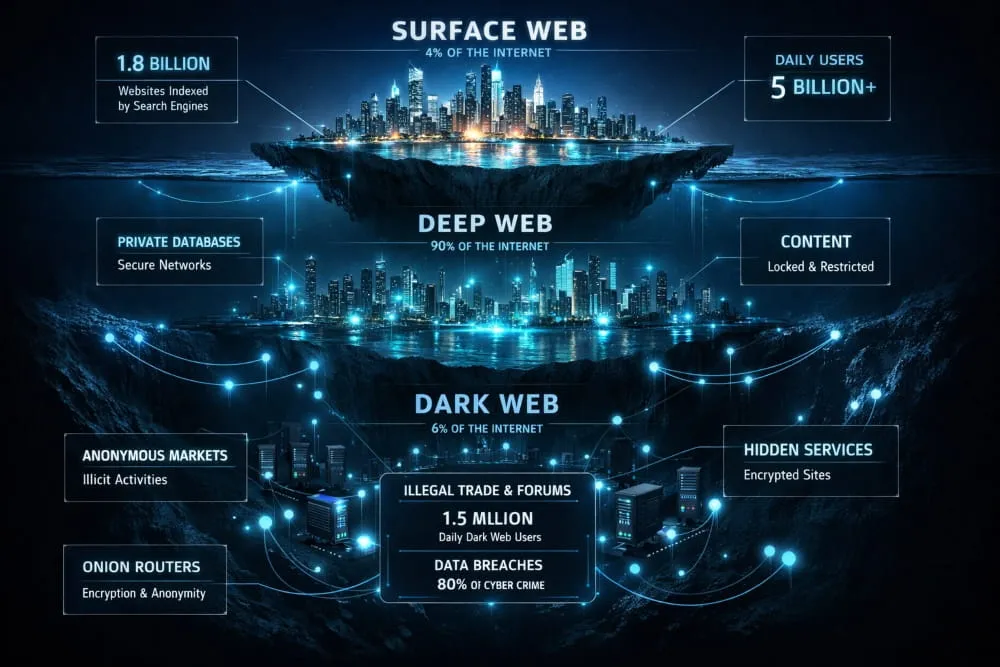
The digital payment ecosystem has transformed the way people shop, transfer money, and manage financial accounts. Alongside these benefits, however, cybercriminals have developed increasingly sophisticated methods for stealing and exploiting payment information. Underground carding markets are one part of this broader cybercrime environment, and names such as bclub and bclub.tk have appeared in online discussions related to stolen payment-card data.
Tracking trends associated with BClub or similar underground services can be useful for cybersecurity research, but it requires careful interpretation. Underground websites and forums are unstable by nature, and information about them may be incomplete, outdated, exaggerated, or deliberately misleading. Rather than focusing on how to access or use such services, a cybersecurity lens asks different questions: How is payment data being compromised? What risks do these markets create? How are criminals adapting? And what can consumers, businesses, banks, and security teams do to reduce the impact?
What Are Carding Markets?
A carding market is an underground environment associated with the illicit exchange or distribution of stolen payment-card information. The information involved may include card numbers and other payment-related details obtained through cybercrime.
These markets are part of a larger criminal economy. Payment information may originate from data breaches, phishing campaigns, malware infections, compromised online services, or attacks against payment infrastructure. Once information is stolen, criminals may attempt to monetize it through different forms of fraud.
This makes carding a downstream problem as well as an initial security problem. A payment-card theft incident can create consequences long after the original breach has been contained.
Understanding BClub Trends Carefully
BClub has been mentioned in online discussions concerning underground card-data activity. However, tracking a particular underground brand or domain is challenging because its apparent presence online does not necessarily establish its current status.
A domain such as Bclub.tk may be:
- Active or inactive
- Changed or abandoned
- Impersonated by another party
- Referenced using outdated information
- Discussed without reliable evidence
For this reason, cybersecurity researchers should distinguish between verified observations and online claims.
A search result, forum post, screenshot, or social-media comment should not automatically be considered evidence that a particular service is currently operating. Underground communities also have incentives to create misleading information, particularly when scams, impersonation, or law-enforcement investigations are involved.
Why Tracking Trends Matters
Although individual underground services may change quickly, broader trends can provide valuable security intelligence.
Researchers may look at trends such as:
- Changes in the types of stolen information being discussed
- Increasing use of social engineering
- Changes in criminal infrastructure
- The emergence of automated fraud techniques
- Increased targeting of online accounts
- The use of malware to collect credentials
- Greater reliance on cryptocurrency or other financial technologies
- Law-enforcement disruption of criminal services
The objective is not to participate in underground activity. Instead, trend analysis can help defenders understand where attacks may originate and how criminals adapt to security improvements.
How Card Data Is Commonly Compromised
Understanding the source of stolen information is more useful for defense than studying the marketplace where it eventually appears.
Data Breaches
A compromised company database can expose customer information. Businesses that store or process sensitive information therefore need strong access controls, monitoring, encryption, and incident-response procedures.
Phishing
Phishing remains a major route for stealing credentials and financial information. Attackers may imitate banks, retailers, delivery companies, or other trusted organizations.
Modern phishing can be particularly convincing because criminals can customize messages and websites to appear legitimate.
Malware
Malicious software can compromise devices and potentially expose credentials or other sensitive information. Keeping operating systems, browsers, and security software updated is an important defensive measure.
Social Engineering
Attackers may manipulate victims into revealing information or approving fraudulent activity. This demonstrates why cybersecurity awareness is just as important as technical defenses.
Compromised Online Services
Weak security controls in websites, applications, or third-party services can sometimes expose sensitive information. Organizations should regularly review their security posture and monitor systems for unusual activity.
The Growing Role of Automation
One of the most important developments in modern cybercrime is automation.
Criminal groups can automate parts of phishing, credential attacks, data collection, and fraudulent communications. Artificial intelligence can also make some scams more convincing by helping attackers generate personalized messages and imitate legitimate communication styles.
This creates a challenge for traditional security awareness. Users can no longer rely solely on obvious spelling mistakes or poorly written messages as signs of phishing.
Instead, people should examine the context of a request.
Unexpected requests for passwords, payment information, authentication codes, or urgent financial transfers should receive additional scrutiny, even when the message looks professionally written.
Carding Markets and the Cybercrime Ecosystem
Carding markets do not exist independently. They can overlap with other parts of the cybercrime economy.
A broader criminal chain can involve:
- Initial access to a victim or organization
- Theft of credentials or financial information
- Collection and organization of stolen data
- Underground distribution or criminal monetization
- Fraudulent transactions or identity-related abuse
- Attempts to move or conceal illicit proceeds
This interconnected structure explains why cybersecurity incidents can have consequences across multiple organizations and countries.
It also means that disrupting one marketplace does not necessarily eliminate the underlying criminal activity. Other services or communication channels may emerge.
Law Enforcement and Market Disruption
International law-enforcement agencies increasingly cooperate to investigate cybercrime networks and disrupt criminal infrastructure.
Operations against underground services can result in websites being taken offline, infrastructure being seized, suspects being identified, or criminal networks being investigated.
However, disruption does not mean that the underlying threat has disappeared. Criminal groups may adapt by changing infrastructure, communication methods, or operational structures.
From a cybersecurity perspective, this reinforces the importance of resilience. Organizations should not depend on the assumption that a particular threat actor or marketplace will simply disappear.
What Businesses Can Learn From Carding Trends
Businesses can use threat intelligence to improve defensive controls without interacting with criminal marketplaces.
Useful defensive practices include:
Monitor for Suspicious Activity
Unusual login attempts, abnormal payment patterns, unexpected account changes, and repeated authentication failures can provide early warning of attacks.
Strengthen Authentication
Multi-factor authentication can make stolen passwords less useful to attackers.
Protect Payment Environments
Businesses should follow appropriate payment-security standards and minimize unnecessary access to sensitive payment information.
Train Employees
Staff should understand phishing, impersonation, social engineering, suspicious attachments, and unusual requests involving financial information.
Prepare an Incident-Response Plan
Organizations should know how they will investigate, contain, and communicate a security incident before one occurs.
What Consumers Can Do
Consumers also play an important role in reducing payment fraud.
Regularly review account activity and enable transaction notifications where available. Use strong, unique passwords and multi-factor authentication for important accounts. Keep devices and applications updated, and avoid entering payment information after following unexpected links.
If an unfamiliar transaction appears, contact the relevant bank or card issuer promptly using an official communication channel.
Consumers should also remember that legitimate organizations generally do not need customers to reveal sensitive authentication information through unexpected emails, messages, or phone calls.
The Importance of Responsible Research
Researching underground carding trends presents an ethical challenge. Security professionals need threat intelligence, but collecting intelligence should not become participation in criminal activity.
Responsible research focuses on publicly available evidence, security reports, law-enforcement announcements, academic research, and defensive indicators. It avoids purchasing stolen information, testing stolen credentials, or interacting with criminal services.
This distinction helps researchers study threats while minimizing legal, ethical, and security risks.
Looking Ahead
The future of carding markets is likely to be shaped by several competing forces.
On one side, payment providers are introducing stronger authentication, tokenization, fraud detection, behavioral analytics, and automated monitoring. On the other, criminals continue searching for weaknesses in technology and human behavior.
Artificial intelligence may accelerate both sides. Attackers can use automation to improve scams, while defenders can use machine learning and behavioral analysis to identify suspicious transactions and activity.
The result is an ongoing technological competition rather than a problem that can be solved by eliminating one website.
Conclusion
Tracking BClub trends is most valuable when approached as a cybersecurity research question rather than an invitation to interact with underground markets. BClub and Bclub.tk have appeared in discussions associated with carding and stolen payment information, but claims about specific domains should be treated cautiously and independently verified.
The broader lesson is that carding markets are part of an interconnected cybercrime ecosystem involving data breaches, phishing, malware, social engineering, stolen credentials, and financial fraud.
For defenders, the priority should be understanding how information is compromised, recognizing emerging attack patterns, strengthening authentication and payment security, and responding quickly to suspicious activity.
In 2026, effective cybersecurity is less about tracking one underground marketplace and more about understanding the larger system around it. By studying trends responsibly and focusing on prevention, organizations and individuals can turn threat intelligence into stronger defenses against payment fraud.