
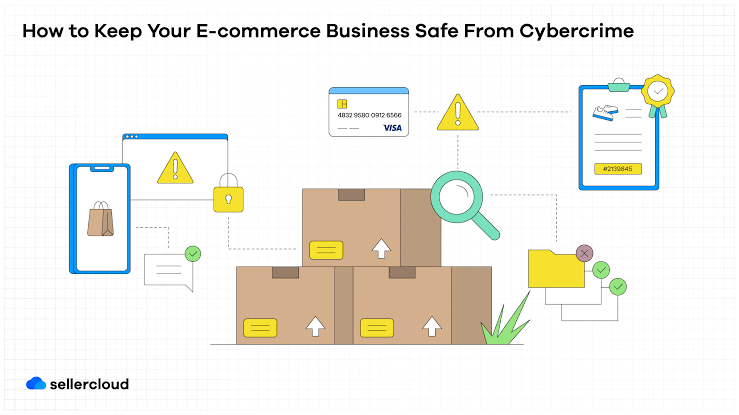
Online transactions have become an essential part of modern life. Consumers use digital platforms to purchase products, pay bills, manage subscriptions, transfer money, and access financial services. stash patrick Businesses similarly depend on online payment systems to serve customers and manage commercial operations.
With this convenience comes an important responsibility: protecting sensitive information from fraud, identity theft, and unauthorized access. Names such as Stash Patrick may appear in online discussions about underground marketplaces and payment-card activity. Such references should be approached carefully and stashpatrick.cc understood as part of the wider cybersecurity landscape rather than as recommendations for financial services.
Examining the risks associated with underground marketplaces can provide useful lessons about safer online transactions. Strong authentication, careful website verification, secure payment practices, and transaction monitoring can help consumers and businesses reduce their exposure to digital threats.
Understanding the Stash Patrick Context
Stash Patrick may be referenced in discussions concerning underground marketplaces, stolen payment information, or dark-web activity. However, the appearance of a particular name or domain does not prove that a service is legitimate, safe, or currently operational.
Underground operations frequently change their names, domains, and communication channels. Some services disappear, while others may be replaced by fraudulent copies that attempt to steal money or personal information.
For this reason, consumers should not treat unfamiliar underground marketplaces as legitimate alternatives to banks, payment processors, or established online retailers.
The safest approach is to use recognized financial institutions and verified commercial services.
Why Safer Online Transactions Matter
Online transactions involve sensitive information. Depending on the payment method, a transaction may include names, card details, account credentials, billing addresses, and other personal information.
If this information is stolen, criminals may attempt unauthorized transactions or use the data in additional scams.
Businesses can also experience serious consequences when customer payment information is compromised. These can include financial losses, chargebacks, operational disruptions, investigations, and reputational damage.
Secure transactions therefore benefit both consumers and businesses.
Verify Websites Before Making Payments
One of the simplest ways to improve online payment security is to verify the website before entering financial information.
Consumers should confirm that the website belongs to the organization they intend to use. Instead of following unexpected links in emails or text messages, users should access the official website through a trusted route.
A professional appearance does not guarantee legitimacy. Fraudulent websites can imitate the branding and layout of well-known companies.
Users should therefore pay attention to the domain name, contact information, privacy policies, and other indicators of organizational legitimacy.
Use Strong and Unique Passwords
Passwords protect many of the accounts connected to online transactions.
Consumers should avoid using the same password across multiple services. If one website experiences a breach, attackers may attempt to reuse exposed credentials elsewhere.
Strong, unique passwords can reduce this risk. Password managers can make it easier to create and maintain different passwords for different accounts.
Financial accounts, email accounts, shopping profiles, and other sensitive services should receive particular attention because compromising one account may provide access to other resources.
Enable Multi-Factor Authentication
Multi-factor authentication adds another layer of security beyond a password.
Depending on the service, users may confirm their identity through an authentication application, security key, biometric method, or another approved factor.
This can make account takeover more difficult when passwords are stolen through phishing or data breaches.
Consumers should enable multi-factor authentication whenever it is available for banking, payment, email, shopping, and other important accounts.
Be Careful With Phishing Messages
Phishing remains a major threat to online transactions.
Attackers may send messages pretending to represent banks, retailers, delivery companies, payment providers, or government organizations. These messages may claim that an account has a problem and ask the recipient to click a link or provide payment information.
Consumers should be skeptical of unexpected requests involving passwords, card details, verification codes, or financial information.
When a message appears to require action, users should contact the organization through its official website or application rather than relying on information contained in the message.
Monitor Transactions Regularly
Transaction monitoring can help consumers detect fraud quickly.
Many banks and payment providers offer real-time notifications for purchases, transfers, or account activity. These alerts can provide an early warning when unauthorized activity occurs.
Consumers should review account histories regularly and report suspicious transactions promptly.
Businesses can use automated monitoring systems to identify unusual payment patterns, potentially detecting fraud before losses become significant.
Protect Devices Used for Payments
The security of online transactions also depends on the devices used to make them.
Consumers should keep operating systems, browsers, and applications updated. Security updates frequently address vulnerabilities that attackers may exploit.
Users should also avoid installing software from untrusted sources. Malicious applications can potentially capture sensitive information or provide attackers with unauthorized access to a device.
When making sensitive transactions, consumers should preferably use devices they control and trust.
Be Cautious With Public Networks
Public Wi-Fi can create additional security concerns, particularly when users access financial accounts or enter sensitive information.
Consumers should avoid performing highly sensitive financial activities on unknown networks whenever possible. Using a trusted connection and keeping devices properly secured can reduce exposure.
The broader principle is simple: important financial transactions deserve a secure environment.
Protect Businesses Through Layered Security
Businesses need stronger security controls because they often process payment information belonging to many customers.
Organizations should use access controls, encryption, authentication, monitoring, security testing, and employee training.
Payment information should only be accessible to systems and employees that require it for legitimate business purposes.
Businesses should also maintain an incident-response plan. If a security incident occurs, employees should know how to report it and security teams should know how to investigate and contain it.
Recognizing Suspicious Financial Services
Consumers should be particularly cautious when encountering websites that promise unusual access to financial information, payment credentials, or other restricted services.
Warning signs can include anonymous operators, unrealistic promises, pressure to act quickly, unusual payment requests, unclear ownership, or requests for unnecessary personal information.
Users should never assume that a service is trustworthy simply because it appears in search results or online discussions.
If a financial product or payment service is needed, consumers should use established banks, card issuers, payment processors, or reputable merchants.
What to Do After Suspicious Activity
If a consumer notices an unauthorized transaction or suspects that payment information has been compromised, quick action is important.
The financial institution or card issuer should be contacted through official channels. The affected account may need to be secured or the card replaced.
Users should also review other accounts for suspicious activity, especially if the same password was used across multiple services.
Changing passwords and enabling multi-factor authentication can help reduce the risk of additional account compromise.
The Future of Online Transaction Security
Payment technology continues to evolve. Digital wallets, tokenization, biometric authentication, artificial intelligence, and behavioral analytics are increasingly used to improve security and convenience.
These technologies can make transactions safer, but they do not eliminate human risks. Phishing, social engineering, and poor password practices can still undermine strong technical defenses.
The future of online payment security will therefore depend on both technological innovation and informed consumer behavior.
Conclusion
Stash Patrick can be considered within the broader discussion of underground marketplaces and payment-related cybercrime, but the most useful lesson is the importance of safer online transaction practices.
Consumers should use legitimate financial providers, verify websites, protect passwords, enable multi-factor authentication, monitor transactions, and remain cautious about suspicious messages or services. Businesses should complement these practices with strong access controls, secure payment infrastructure, employee education, and effective incident-response procedures.
Online transactions offer enormous convenience, but security must remain a priority. By combining reliable technology with responsible digital habits, consumers and businesses can reduce the risks of fraud, identity theft, and unauthorized access while continuing to benefit from the modern digital economy.