
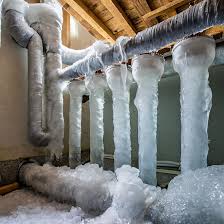
With winter approaching, many homeowners will face the constant problem of freezing pipes. In addition to causing significant damages and costly repairs due to frozen pipes, they can also require the services of an experienced water damage restoration company. The article below will provide you with effective methods to avoid pipes freezing up and damaging your home.
Learn About The Dangers
This pressure is created when water freezes. It may cause pipes to crack or burst, leading to extensive damage and leaks. A burst pipe might not only result in expensive damage but also present health risks because of the spread of mold. By taking precautions, you can minimize your risk of having frozen pipes and protect your home.
- Insulate Pipes
Insulate your pipes properly to avoid freezing. Consider insulating pipes found in cold areas, including basements, attics, and garages. Installing foam insulation on pipes is simple and will provide a barrier to the cold. To add protection to pipes, wrap them with heating tape or thermo-controlled cables. These are particularly helpful for pipes that will be in very cold places.
- Seal Cracks
The possibility of your pipes becoming frozen increases when cold air enters through holes and cracks. Seal all gaps that you may find in the home, such as around windows, foundation walls and doors. Use caulk to fill these spaces. Attention should be given to places where your pipes enter as this is the most common area for cold drafts. By sealing these holes, you can maintain a constant indoor temperature. You also reduce the possibility of your home freezing.
- Consistently Maintain Temperature
Keep your thermostat set at 55degF (13degC) even when you are not home. If you leave the house, make sure your thermostat is set at least 65degF. So that pipes do not freeze, you should keep your thermostat set at 55degF (13degC). When you go away on vacation, ask your neighbour or friend if they can check in on the house periodically to see if it is still working.
- Do Not Allow Faucets To Drip
It is possible to keep your pipes warm by slightly dripping faucets in extreme cold. This method works by keeping water in the pipes moving. Ice formation is reduced. It is important to let both your hot and cold taps drip. This will relieve any pressure that may be in the system. The slight increase in your water charge is worth it if you compare it to the cost associated with repairing broken pipes and contacting a restoration company.
- Close Cabinet Doors
Pipes under sinks, in cabinets or other unheated places are at a higher risk of freezing. Open cabinets doors so warm air will circulate in your home around pipes. This reduces the chances of freezing. Be sure that you remove any dangerous substances in the areas where your children or pets are before leaving cabinet doors open.
- Drain Outdoor Water Lines
Freezing is a serious problem for outdoor water lines like sprinklers and garden hoses. Be sure to drain outdoor hoses as well as shut down the supply of water for exterior faucets. If you have frost-proof taps installed, they will prevent the pipes from freezing as water drains out. It is important to winterize your irrigation system according to the manufacturer’s instructions.
- Install Pipe Sleeves
Pipe sleeves offer an economical and practical way of adding an additional layer of protection. The sleeves come in materials like rubber or foam and are easy to slip on pipes. These sleeves work well for pipes situated in unheated rooms and reduce the chances of them freezing.
- Use Heating Devices
If you have pipes in the vicinity that are particularly prone to freezing, use space heaters or heating lamps to help keep them warm. Make sure you follow all manufacturer directions and use space heaters or heat lamps safely to avoid fire hazards. In addition, by keeping your garage door shut you can keep the inside temperature warm and also protect any nearby pipes.
Conclusion
In winter, it is essential to keep pipes warm. Take proactive steps, such as sealing cracks, maintaining constant indoor temperatures and monitoring the weather, to prevent your pipes from bursting. When you are unfortunate enough to experience water damage, a reliable water restoration company can help restore the home back to its original condition. Being prepared for the worst and staying alert will help you enjoy your winter with no worries.