
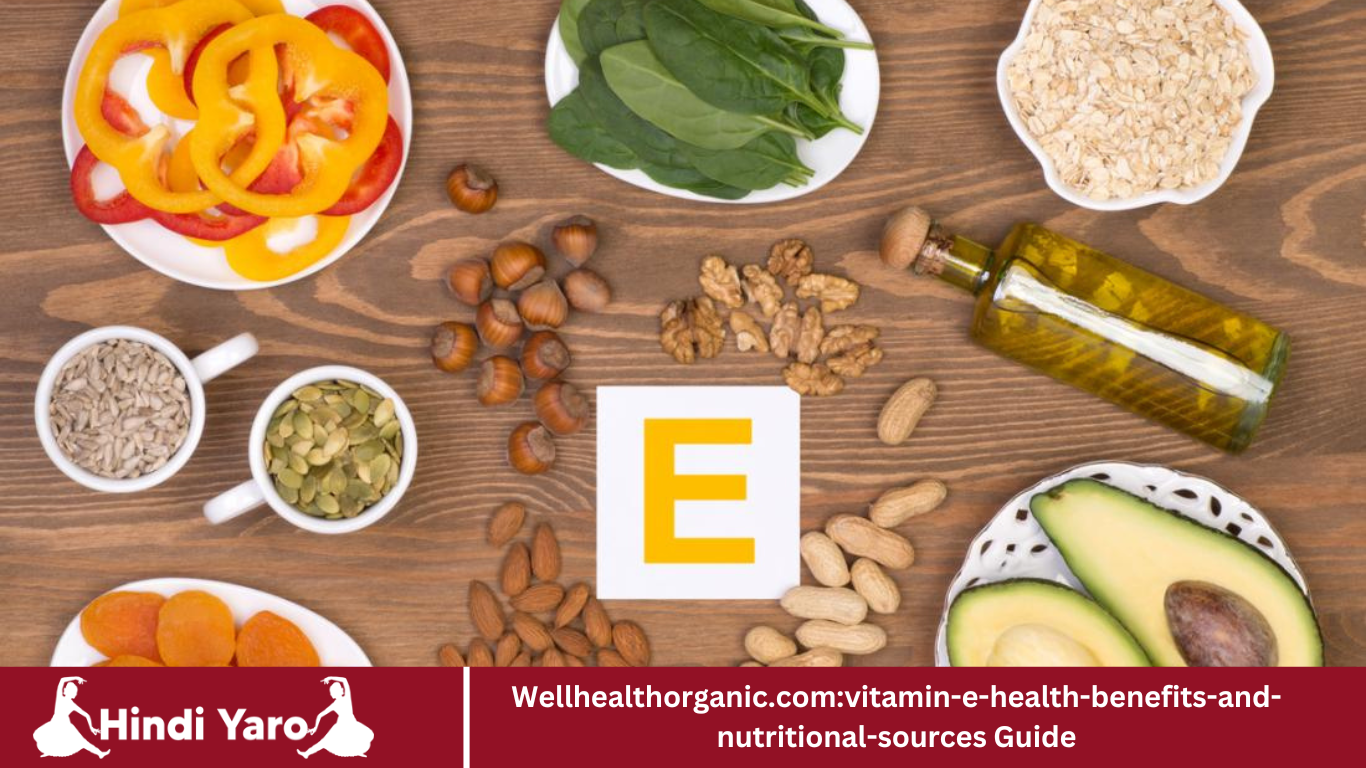
Welcome to WellHealthOrganic.com, your premier resource for health and wellness insights. Today, we’re delving into the remarkable world of Vitamin E and exploring its profound impact on your overall well-being. Are you eager to discover how this vital nutrient can enhance your health? You’re in the right place!
In this guide, we’ll cover everything you need to know about “Wellhealthorganic.com: Vitamin E Health Benefits and Nutritional Sources.” From understanding the essentials of Vitamin E to its crucial role in maintaining a healthy lifestyle, we aim to present the information in a clear and accessible manner. Join us as we uncover the secrets of Vitamin E for a healthier, more vibrant you!
What is “Wellhealthorganic.com: Vitamin E Health Benefits and Nutritional Sources”?
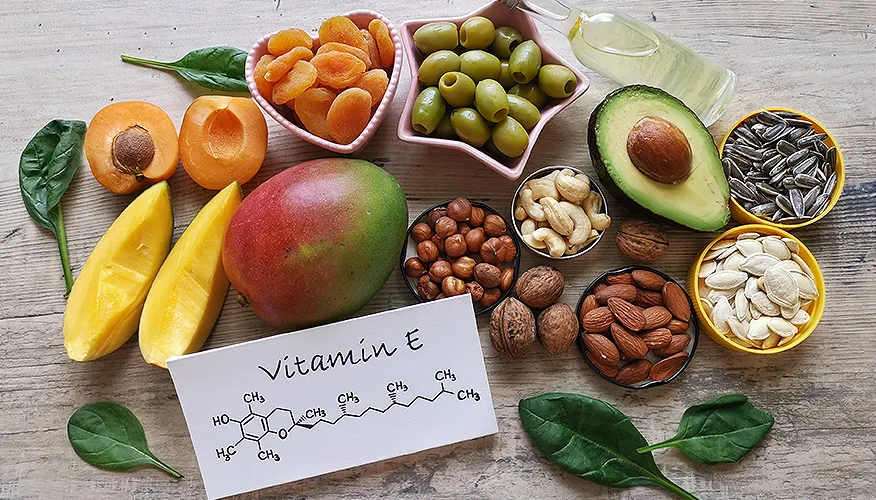
“Wellhealthorganic.com: Vitamin E Health Benefits and Nutritional Sources” is an extensive guide dedicated to exploring the myriad health benefits and nutritional sources of Vitamin E.
This resource provides valuable insights into how Vitamin E can positively influence your health and where you can find it within your diet.
Whether you’re interested in the advantages of Vitamin E or looking to integrate it into your daily nutrition, this guide is designed to offer comprehensive understanding of this essential nutrient.
Why is “Wellhealthorganic.com: Vitamin E Health Benefits and Nutritional Sources” Important?
Essential Antioxidant Protection:
Vitamin E is a powerful antioxidant that shields your cells from damage caused by free radicals, potentially lowering the risk of chronic diseases such as cancer and heart disease.
Skin Health and Beauty:
Vitamin E is vital for maintaining healthy skin by supporting cell regeneration, moisturizing, and protecting against UV damage, contributing to a youthful and radiant complexion.
Immune System Support:
By enhancing immune function, Vitamin E helps your body fend off infections and illnesses, promoting overall health and resilience throughout the year.
Heart Health Maintenance:
Vitamin E supports cardiovascular health by preventing LDL cholesterol oxidation, reducing plaque buildup in arteries, and decreasing the risk of heart disease.
Eye Health Enhancement:
Research indicates that Vitamin E may help prevent age-related macular degeneration and cataracts, fostering better vision and eye health as you age.
Brain Function Improvement:
Vitamin E is linked to improved cognitive function and a lower risk of cognitive decline in older adults, potentially delaying the onset of conditions such as Alzheimer’s disease.
Reproductive Health Support:
For both men and women, Vitamin E plays a role in fertility and reproductive health by protecting reproductive cells from oxidative damage and supporting hormone balance.
Muscle Recovery and Repair:
Athletes and active individuals can benefit from Vitamin E’s ability to reduce exercise-induced oxidative stress, aiding in muscle recovery and repair post-workout.
Hair Growth and Strength:
Vitamin E supports healthy hair growth and strength by enhancing blood circulation to the scalp, nourishing hair follicles, and preventing oxidative stress that can lead to hair loss.
Overall Well-Being Enhancement:
Incorporating Vitamin E-rich foods into your diet can enhance overall well-being, contributing to vitality, energy, and a fulfilling life.
Step-by-Step Guide to “Wellhealthorganic.com: Vitamin E Health Benefits and Nutritional Sources”
Understanding Vitamin E:
- Learn about Vitamin E and its essential role in health.
- Explore the different forms of Vitamin E, including tocopherols and tocotrienols.
- Understand Vitamin E’s antioxidant functions in the body.
Health Benefits of Vitamin E:
- Discover the diverse health benefits of Vitamin E.
- Explore its role in cell protection and chronic disease prevention.
- Learn about Vitamin E’s impact on heart health, skin health, immune function, brain function, and more.
Nutritional Sources of Vitamin E:
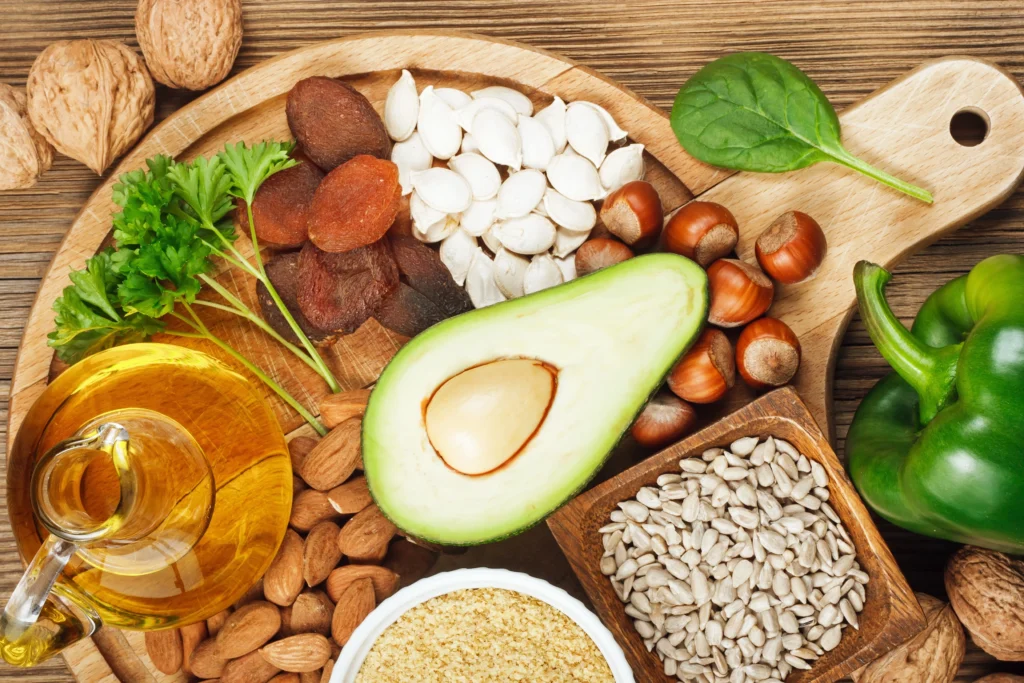
- Identify natural sources rich in Vitamin E, such as fruits, vegetables, nuts, seeds, and oils.
- Learn how to incorporate Vitamin E-rich foods into your diet for maximum health benefits.
- Understand the importance of a balanced diet to ensure adequate Vitamin E intake.
Recommended Daily Intake of Vitamin E:
- Learn about the recommended daily allowance (RDA) of Vitamin E for different age groups and genders.
- Understand factors influencing Vitamin E needs, including age, pregnancy, and specific medical conditions.
- Consult with a healthcare professional to determine your personal Vitamin E requirements.
Supplementing with Vitamin E:
- Explore the option of Vitamin E supplements to meet daily needs.
- Understand the various forms and dosages of Vitamin E supplements available.
- Consult with a healthcare provider before starting any new supplement regimen.
Cooking and Storing Vitamin E-Rich Foods:
- Learn cooking methods that preserve Vitamin E content, such as steaming, roasting, and sautéing.
- Understand proper storage techniques for Vitamin E-rich foods to maintain nutritional value.
- Explore recipes featuring Vitamin E-rich ingredients for nutritious and delicious meals.
Monitoring Vitamin E Levels:
- Understand how to monitor Vitamin E levels through blood tests and other diagnostic measures.
- Learn about symptoms of Vitamin E deficiency and excess.
- Discuss any concerns regarding Vitamin E status with your healthcare provider for personalized advice.
Advantages and Disadvantages of “Wellhealthorganic.com: Vitamin E Health Benefits and Nutritional Sources”
Advantages
- Comprehensive Information: Provides a detailed understanding of Vitamin E, including its benefits, sources, and recommended intake.
- Health Education: Empowers readers with knowledge to make informed dietary choices and improve overall well-being.
- Promotes Health and Wellness: Encourages the inclusion of Vitamin E-rich foods in the diet, leading to enhanced wellness.
- Supports Disease Prevention: Highlights Vitamin E’s role in preventing chronic diseases through its antioxidant properties.
- Practical Guidance: Offers actionable advice on obtaining Vitamin E from natural sources, supplements, and cooking methods.
- Encourages Balanced Nutrition: Emphasizes the importance of a balanced diet rich in Vitamin E for optimal health.
- Promotes Skin and Hair Health: Showcases Vitamin E’s benefits for skin and hair, including moisturization and protection.
- Fosters Long-Term Well-Being: Encourages lifestyle changes that prioritize health and well-being for improved quality of life.
Disadvantages
- Potential Information Overload: The extensive details may overwhelm some readers, making it challenging to absorb all the information.
- Individual Variability: Nutritional needs vary, and what works for one person may not work for another, necessitating personalized adjustments.
- Lack of Personalization: The guide may not provide tailored recommendations for specific health conditions or dietary restrictions, requiring additional consultation.
- Supplement Safety Concerns: Potential safety issues with overconsumption or interactions with medications, requiring caution and professional supervision.
- Focus on Natural Sources: While promoting natural sources is beneficial, some individuals may struggle to obtain sufficient Vitamin E from food alone, requiring supplements.
- Limited Scope: The guide may not cover every aspect of Vitamin E’s benefits and sources, leaving room for further research.
- Misinterpretation of Information: Risks of misunderstanding or misapplying the information, leading to incorrect dietary choices or expectations.
- Potential Cost Considerations: Incorporating Vitamin E-rich foods or supplements may involve additional costs, which could be prohibitive for some individuals.
Frequently Asked Questions
What is Vitamin E and why is it important?
Vitamin E is a fat-soluble vitamin with potent antioxidant properties. It helps protect your cells from damage caused by free radicals, supports immune function, and contributes to skin, eye, and heart health. It also plays a role in maintaining healthy brain function and reproductive health.
Can I get enough Vitamin E from my diet alone?
For most people, a balanced diet rich in Vitamin E-containing foods provides adequate amounts. However, individuals with specific dietary restrictions or health conditions may need supplements. Consult a healthcare professional for personalized advice.
Are there any risks associated with Vitamin E supplementation?
While Vitamin E is generally safe, excessive intake can lead to health issues such as bleeding problems and interactions with certain medications. It’s important to follow recommended dosages and consult with a healthcare provider before starting supplements.
How should I store and prepare Vitamin E-rich foods?
To preserve Vitamin E content, use cooking methods like steaming, roasting, or sautéing. Store Vitamin E-rich foods in a cool, dry place to maintain their nutritional value.
What are the signs of Vitamin E deficiency?
Vitamin E deficiency is rare but can cause symptoms such as muscle weakness, vision problems, and immune system issues. If you suspect a deficiency, consult with a healthcare provider for appropriate testing and treatment.
How can I incorporate more Vitamin E into my diet?
Add Vitamin E-rich foods to your meals, such as snacking on nuts, using vegetable oils in cooking, and including leafy greens in salads. Fortified foods can also contribute to your intake.
Where can I find more information about Vitamin E?
For detailed information about Vitamin E, consult reputable health resources, including scientific journals, healthcare professionals, and trusted websites like WellHealthOrganic.com.
Conclusion
Vitamin E is an essential nutrient with a range of significant health benefits. From its powerful antioxidant properties to its vital role in maintaining healthy skin, eyes, heart, and brain function, Vitamin E supports overall well-being in numerous ways. It also contributes to reproductive health, muscle recovery, and hair growth, making it a key component of a balanced diet.
By incorporating Vitamin E-rich foods such as nuts, seeds, green leafy vegetables, and fortified products into your daily diet, you can harness its health benefits effectively. While most people can meet their Vitamin E needs through a well-rounded diet, supplements can be considered if dietary sources are insufficient or if specific health conditions warrant additional support.