
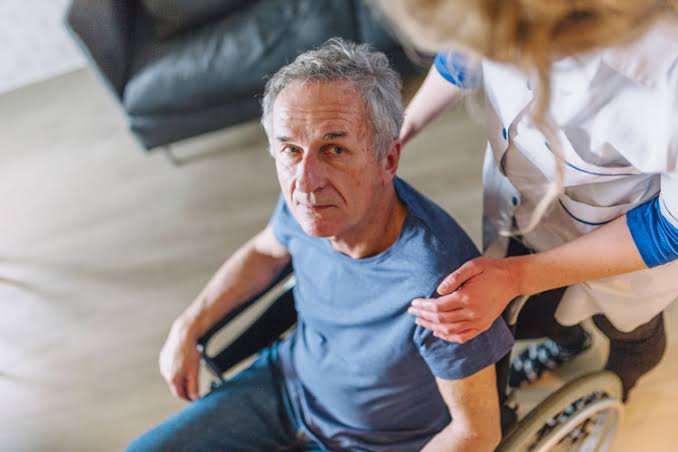
When a person experiences an injury or illness at sixty-five, recovery often proceeds differently than it might have decades earlier. The body’s capacity to heal slows with age, and the physical demands of rehabilitation can feel more challenging. Understanding why this happens and what strategies can help makes a meaningful difference in how well someone bounces back. Recovery after sixty-five involves more than just time; it requires intentional approaches that address the specific ways aging affects healing.
How Aging Changes the Body’s Healing Process
The human body loses muscle mass naturally as people age, a process that accelerates after sixty. This loss of muscle, called sarcopenia, means older adults have less physical reserve when illness or injury strikes. When recovery demands strength and endurance, those with reduced muscle mass start at a disadvantage. Bone density also decreases over time, which can slow fracture healing and increase the risk of complications during rehabilitation. Older adults experience changes in circulation and metabolism that can lengthen healing timelines as well. These biological shifts are not inevitable decline but rather normal changes that require adjustment in approach.
The Role of Nutrition and Hydration in Recovery
Proper nutrition becomes increasingly critical as people age, yet many older adults struggle to meet their dietary needs during recovery. The body requires adequate protein to rebuild muscle tissue and essential vitamins to support immune function and wound healing. Dehydration is particularly common among aging adults and can complicate recovery by reducing cognitive function, increasing infection risk, and slowing physical progress. A person recovering from surgery or illness may have reduced appetite, medication side effects that interfere with eating, or difficulty preparing nutritious meals independently. Working with a healthcare provider to create a meal plan specific to recovery needs ensures that nutrition supports rather than hinders progress. For those managing complex recovery or multiple health conditions, professional support with meal planning and preparation can make a substantial difference.
Managing Medication Interactions During Recovery
Older adults frequently take multiple medications for various health conditions, and adding medications needed during recovery can create unexpected interactions. These interactions may slow healing, cause side effects that interfere with rehabilitation exercises, or reduce the effectiveness of pain management. Each new medication should be reviewed carefully to ensure it does not conflict with existing prescriptions or interfere with recovery goals. Some medications affect balance or cognitive function, which can increase fall risk during the rehabilitation period when mobility is already compromised. Regular communication with all healthcare providers involved in care helps identify potential problems before they become serious complications. Keeping an updated list of all medications and supplements and sharing it with each provider is one simple but powerful step toward safer recovery.
Creating an Environment That Supports Physical Rehabilitation
The physical space where recovery happens influences success significantly. A home environment should be assessed for hazards like throw rugs, poor lighting, or missing grab bars that could lead to falls during rehabilitation. Stairs, narrow doorways, and cluttered spaces can make prescribed exercises difficult or impossible to complete safely. For those needing more intensive support during recovery, temporary modifications such as removing obstacles, installing safety equipment, or rearranging furniture to allow movement can prevent setbacks. Some people benefit from outpatient rehabilitation services or community programs designed specifically for recovery after sixty-five. Others may find that temporary assistance at home, whether from family, professional care partners, or volunteers, enables them to follow their recovery plan without rushing back to full independence before they are ready.
The Importance of Mental Health in Physical Recovery
Recovery involves emotional as well as physical challenges, and depression or anxiety can significantly slow healing. A person dealing with reduced mobility, pain, or dependence on others may struggle with identity and purpose during recovery. These psychological factors affect motivation to engage in rehabilitation exercises and can contribute to social isolation that undermines overall health. Addressing mental health through counseling, support groups, or connection with others experiencing similar recovery challenges helps maintain the resilience necessary for progress. Some older adults find benefit in spiritual practices, creative pursuits, or meaningful social engagement that provides purpose beyond physical rehabilitation. Recognizing that emotional wellbeing directly supports physical recovery helps integrate mental health into an overall recovery strategy rather than treating it as separate from healing.
Pacing Recovery and Accepting Help
One common mistake during recovery after sixty-five is pushing too hard too fast, driven by frustration with slower progress or anxiety about regaining independence. Recovery happens on a timeline that cannot be rushed, and ignoring physical signals in pursuit of aggressive rehabilitation goals often results in setbacks that extend the overall process. Building in rest days, accepting that progress may look different than in younger years, and celebrating small improvements helps maintain momentum without exhaustion. Accepting help from family, friends, or professional care partners is not failure but a practical strategy that allows focus on healing rather than managing all daily tasks independently. Many people find that temporary support during recovery prevents complications and can speed the return to independence more effectively than insisting on doing everything alone. Discussing realistic timelines and achievable goals with healthcare providers helps create expectations that motivate without overwhelming.
Community Support and Professional Resources
Older adults recovering from significant health events often benefit from connection with others in similar situations. Support groups, whether in person or online, provide practical advice and emotional encouragement from people who understand the recovery experience. Physical therapy or rehabilitation specialists familiar with older adults can design programs that respect physical capabilities while building strength and function. Home health services, meal delivery programs, transportation assistance, and other community resources can bridge gaps between hospital discharge and full recovery. Families researching options such as Assisted Living in Hayward, CA can find structured support that helps older adults focus on healing while receiving consistent, personalized care during post-hospital recovery when daily tasks and health oversight become difficult to manage at home. Identifying available resources before recovery is needed, or immediately upon discharge from a hospital or rehabilitation community, helps ensure that appropriate support is accessible when most needed.
Conclusion
Recovery after sixty-five moves at a different pace than recovery in younger years because the aging body heals through different biological processes. Understanding these changes and planning recovery around them, rather than working against them, leads to better outcomes and fewer complications. Nutrition, medication management, environmental safety, mental health, and professional support all play roles in successful recovery that cannot be overlooked. Accepting that recovery may take longer, require more support, and demand adjustments to expectations helps remove barriers that slow progress. By approaching recovery after sixty-five with realistic expectations, comprehensive planning, and willingness to use available resources, older adults can achieve meaningful healing and return to lives that matter to them.