
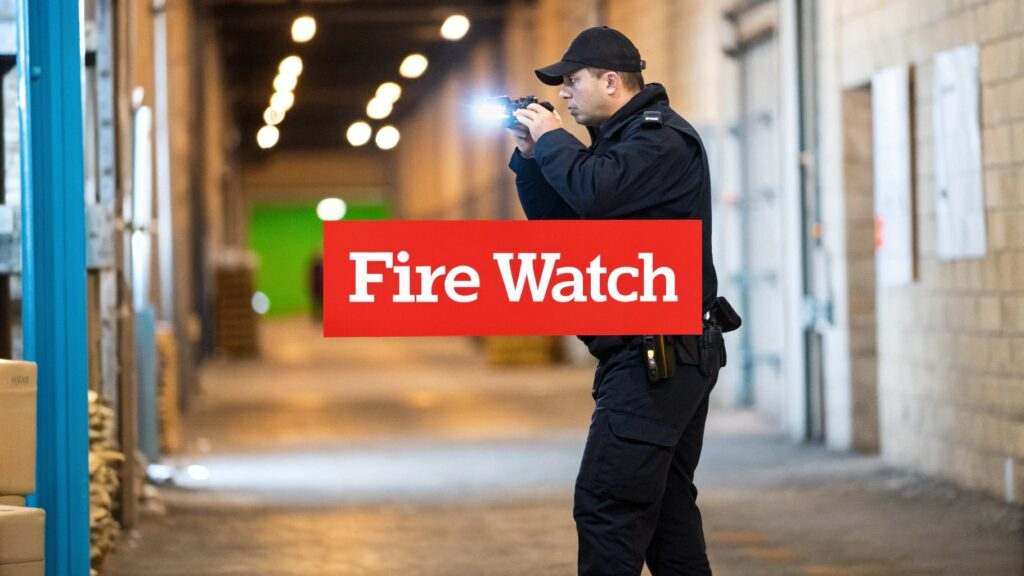
Safe protection starts with understanding what a building needs before selecting guards. Fire watch coverage can support safety when alarms, detection equipment, or safeguards are unavailable. The right choice depends on building size. Activity levels matter. Access points, hazards, and coverage hours also matter. Planning helps maintain observation and prompt reporting. For urgent needs, emergency fire watch Miami can provide timely protection.
Assess Building Risk Levels
Every property has conditions that influence guard requirements. Larger areas may need observation zones while busy sections need closer attention. Storage security guard services areas, renovation zones, blocked exits, and temporary hazards need consideration. Risk levels shift when occupancy or work activity changes.
- Identify sections with increased fire-related exposure within assigned coverage.
- Note blocked pathways requiring closer observation and timely reporting.
- Review temporary hazards that could affect safe movement around areas.
- Consider occupancy patterns across different operating periods for added awareness.
- Mark areas needing regular checks based on safety conditions.
Match Guard Skills Carefully
Guard selection should reflect the duties expected at the location. Trained personnel need awareness of fire risks. They also need observation practices, reporting procedures, and emergency actions. The property manager should confirm that assigned guards understand their responsibilities before coverage begins, making emergency fire watch Miami coverage a suitable choice for matching trained guards with assigned safety needs.
Set Coverage Hours Clearly
Coverage timing should match the period when protective systems remain unavailable. Some situations require continuous presence. Managers should identify start times. End times, access arrangements, and shift changes must be confirmed before guards arrive. Clear timing helps prevent gaps in protection.
- Set guard shifts around known periods of higher operational risk.
- Allow enough time for smooth handover between assigned guards.
- Confirm access arrangements before each scheduled coverage period begins.
- Keep shift details for responsible staff members each day.
- Adjust coverage when location conditions change unexpectedly, or risks increase.
Define Patrol Areas Clearly
Each property may have different entrances. Stairways, storage spaces, equipment rooms, and restricted areas also need clear attention. Guards should receive clear instructions about approved routes. Defined patrol boundaries reduce missed sections and support steady coverage. Clear routes help guards stay within assigned boundaries.
Confirm Reporting Standards
Accurate records help responsible teams understand conditions throughout the assigned period. Guards should know what details require immediate attention. Reports can include time, location, and observed condition. Action taken and follow-up needs should also be recorded. Clear records support informed decisions when circumstances change.
Reporting should remain factual throughout each assigned period. Guards can record the time of important observations. They should describe conditions clearly without adding personal opinions.
Review Emergency Response Readiness
Strong preparation helps guards act calmly when an urgent condition develops. The property should have clear procedures for alerting responsible staff. Guidance for occupants and contact with appropriate emergency support should be clear. Guards should understand their authority and limits before accepting an assignment. Response steps can reduce confusion when action becomes necessary.
A suitable selection process connects risk conditions with capable personnel. Managers can review building needs, guard skills, coverage timing, patrol areas, and reporting practices. Emergency readiness also deserves attention before assigning protection. This approach creates clearer responsibilities while supporting safety oversight. The best choice comes from matching needs with trained support. Careful planning can strengthen preparedness when normal safeguards are unavailable.
FAQ
What factors should guide fire watch guard selection carefully?
Guard skills, risk levels, coverage hours, routes, reporting needs.
Can coverage change when building conditions become different over time?
Yes, assigned duties can adjust after responsible staff review conditions.
Why are clear patrol routes important for assigned safety?
They help guards cover assigned areas consistently without missed sections.