
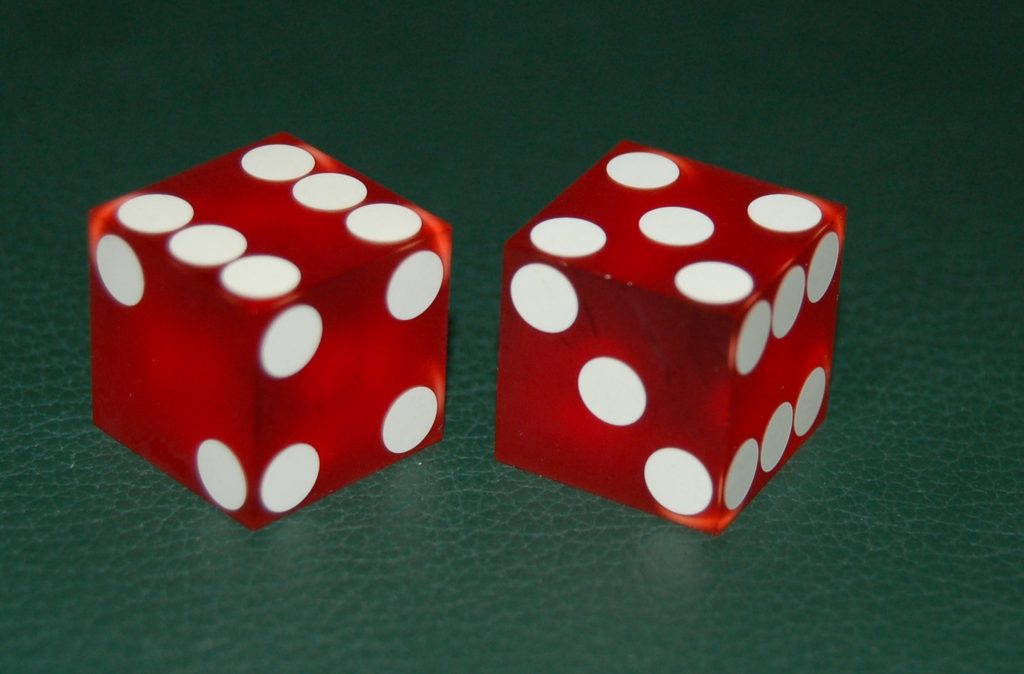
Every honest conversation about gambling begins in the same place: the games are designed so that the house keeps a small percentage over time, which means money spent playing should be treated as the price of entertainment, never as an investment or a way out of financial difficulty. Players who accept that fact from the start are not being pessimistic — they are the ones who consistently enjoy themselves the most, because their expectations match reality.
Responsible gaming is the practical craft of keeping play inside those boundaries. This article sets out how it works in everyday terms at v8club: how to build a bankroll you can genuinely afford, how to size bets and structure sessions, which built-in tools exist to help you stay in control, and how to recognise the warning signs that play has stopped being fun and started being a problem.
Building a Bankroll You Can Afford to Lose
A bankroll is a defined amount of money set aside exclusively for play, separate from rent, bills, savings and everyday spending. The separation is the entire point. Money is assigned to the bankroll only after essential expenses are covered, and the honest test for the amount is simple: if losing all of it would change your mood about anything other than the game itself, it is too much. Many recreational players fund the bankroll as a modest monthly entertainment line, no different in spirit from a streaming subscription or a restaurant budget.
Once the bankroll exists, protect its borders. Never top it up mid-session from general funds — that single rule prevents most spirals, because the decision to spend more is forced into a calmer moment on a different day. Keep the bankroll in a separate e-wallet or account where its balance is visible at a glance. And when the bankroll grows through a good run, skimming part of the winnings out into ordinary life is a healthy habit: it converts abstract credits into real benefits and quietly lowers the amount exposed to future sessions.
Bet Sizing and Session Structure
How much of the bankroll rides on a single bet determines how long your money lasts and how violent the swings feel. A common guideline is to keep individual bets between one and two percent of the total bankroll. On a bankroll of one hundred units, that means bets of one or two units — small enough that a run of ten losses, which will happen sooner or later in any game, costs a tenth of your funds rather than all of them. High-volatility games argue for the lower end of the range, because their dry spells are longer.
Sessions need edges as well as budgets. Decide in advance roughly how long you will play and what result ends the session: a stop-loss, where you quit after losing a fixed portion of the session stake, and a win goal, where you bank part of a good run and stop. The full set of account controls for doing this — deposit limits, session reminders and cooling-off options — is described at https://v8club.in.net/, and setting them up takes minutes. Breaks matter more than players expect: fatigue degrades decisions before it degrades eyesight, and a short walk has saved more bankrolls than any betting system ever invented.
Chasing, Tilt and the Psychology of Losing
The most dangerous moment in gambling is not losing; it is the feeling that follows. Chasing means increasing bets or extending a session specifically to win back what was lost, and it converts an ordinary losing session — a normal cost of entertainment — into a much larger one. Closely related is tilt, the frustrated emotional state in which players abandon their plan, bet recklessly and later struggle to explain their own decisions. Both states share a root: the refusal to accept that a past loss is finished and cannot be negotiated with.
The countermeasures are unglamorous and effective. Because chasing is an in-the-moment impulse, decide your limits while calm and write them into the account tools, where a frustrated version of you cannot easily rewrite them. Treat any urge to deposit “one more time” as a signal to end the session, not a strategy. And keep perspective on wins as well: a big win is the same mathematics smiling, not evidence of a changed relationship with probability, and it deserves the same disciplined response — bank some, enjoy some, and let the plan continue unchanged.
Keeping a simple record helps more than memory does. Note the date, the session length and the net result in a notebook or a phone note; after a month, the pattern of your own behaviour becomes visible in a way that impressions never achieve, and most players discover that their real habits differ a little from the ones they believed they had. That small honesty makes every other control easier to set at the right level.
Tools That Help, and Knowing When to Stop
Modern platforms provide a standard toolkit for control, and using it is a sign of a competent player rather than a struggling one. Deposit limits cap how much can be added per day, week or month. Loss limits and wager limits work similarly on the playing side. Reality checks interrupt sessions with a summary of time played and net position. Time-outs lock the account for short cooling-off periods, while self-exclusion closes it for months or longer for players who need a complete break. These controls are deliberately easy to tighten and slower to loosen, which is exactly the right asymmetry.
Beyond the tools sit the human warning signs, and they deserve plain words. Gambling stops being entertainment when you hide it, borrow for it, chase it, neglect work or family for it, or find that you cannot enjoy a session without staking more than last time. If any of that sounds familiar, the correct move is to stop playing, use the self-exclusion options, and talk to one of the independent support organisations that exist in most countries for exactly this situation — confidentially and without judgement. For everyone else, the message of responsible gaming is genuinely positive: plan the money, size the bets, respect the limits, and the games remain what they were always meant to be — a pastime you control, rather than one that controls you.