
The history of the pen dates back thousands of years. Early writing tools included reeds and styluses used on clay tablets. The quill pen, crafted from bird feathers, emerged in the Middle Ages and became popular for its flexibility and ability to produce fine lines. The invention of the fountain pen in the 19th century revolutionized writing, offering a more convenient and reliable option for writers.
Types of Pens
Today, pens come in various types, each designed for specific purposes:
1.Ballpoint Pens: The most common type, featuring a small rotating ball that dispenses ink as you write. They are durable and dry quickly, making them ideal for everyday use.
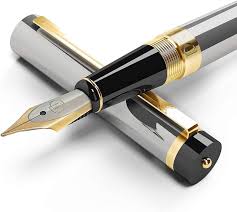
2.Fountain Pens: Known for their elegance and smooth writing experience, fountain pens use liquid ink and can be refilled. They are often favored by enthusiasts and professionals.
3. Gel Pens: These pens use water-based gel ink, which provides vibrant colors and a smooth writing experience. They are popular for artistic and decorative writing.
4. Marker Pens: Used for bold writing and art, marker pens come in various tip sizes and colors. They are ideal for highlighting and creating eye-catching designs.
5. Stylus Pens: Designed for use with touchscreens, stylus pens bridge the gap between digital and traditional writing.
The Impact of Pens on Society
Pens have played a crucial role in shaping literature, politics, and education. Many of history’s most significant documents, from treaties to literary masterpieces, were penned by hand. The act of writing with a pen fosters a personal connection to the words, allowing for deeper reflection and creativity.
In education, pens are essential tools for students, enabling them to take notes, complete assignments, and express their thoughts. The tactile experience of writing by hand is often linked to improved memory retention and comprehension.
The Future of Writing Instruments
As technology continues to evolve, so does the pen. Digital pens and smart writing tools are emerging, allowing users to combine traditional writing with digital convenience. These innovations preserve the art of writing while enhancing functionality, catering to both personal and professional needs.
Conclusion
The pen, though simple in design, is a profound symbol of human creativity and communication. Its evolution reflects our changing world, reminding us of