
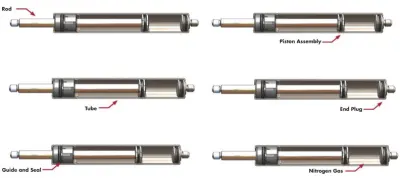
Gas struts, whether they are used in automotive or furniture design, are an essential component. They offer smooth, controlled movement as well as support. This makes them an essential part of everyday life. Weather conditions have a major impact on the performance of gas struts. You can extend the lifespan of gas struts by understanding how different weather factors impact them. This article discusses the effects of weather conditions on gas struts and find gas struts on Selectlok.
What weather conditions can affect gas struts?
- Temperature Extremes
Heat: High temperatures can cause the gases inside the struts to expand. This expansion may increase the pressure inside the cylinder and cause performance to be reduced or even failure if the strut has not been designed to handle the increased pressure. Also, high temperatures will degrade the seals or lubricants inside the strut.
Reduced Temperature: Low temperatures can also cause the gas inside struts to contract. This will reduce the pressure and efficiency of the strut. This contraction will result in a weakened support and less efficient operation. Cold temperatures cause the grease to thicken. This can increase friction and make it difficult for the strut to move.
- Humidity
High Humidity: Excess moisture is present in the air and can cause rust or corrosion. Rust is a serious problem for the structural integrity and performance of the gas strut. Moisture, on the other hand, can have an effect on the lubricants inside the struts. This will cause them to become less effective and even break down sooner.
The effects of rain and snow: Gas struts can be damaged by direct exposure to either. If water penetrates a strut’s interior, it may cause corrosion. In outdoor or exposed applications, it’s important that gas struts are protected from the weather and properly sealed.
- Sunlight Exposure
UV damage: Long-term exposures to ultraviolet rays (UV) and sunlight will degrade materials, including seals and protective surfaces. UV radiation will cause the materials used in gas struts to become brittle. Consider using gas struts covered with UV-resistant materials or providing extra shielding.
- Wind and Physical Effect
Wind: While wind does not directly affect the strut, it can still cause particles and debris that impact the strut. This impact could cause physical injury or introduce contaminants into the strut, which can affect its performance. Regular inspection and cleaning will prevent any issues.
A Physical Impact: Weather conditions can increase the risk of physical impact. For example, a strong wind can cause an object to shift or move. This may lead to a collision or damage of gas struts. By ensuring that gas struts remain securely attached and protected, you can minimise the risk.
Maintaining Gas Brakes in Various Climate Conditions
- Regular Check-ups: Ensure that you regularly inspect your gas struts, looking for signs of wear and tear, damage, and performance problems. Check for rust, leaks, and changes in the operation. These issues can be addressed early to prevent bigger problems and increase strut lifespan.
- Proper Sealing and Protection: Make sure gas struts in outdoor applications are well sealed. This will prevent moisture intrusion. To protect struts outside from rain, UV rays and snow, use covers or a shield.
- Considerations for Temperature: Choose gas struts, if possible, that are designed to work effectively at a range of temperatures. In extreme conditions, you should choose struts featuring features that improve their performance in low or high temperatures.
- Maintenance: Lubricate the gas strut properly to ensure smooth and efficient operation. If the application is outdoors, you should use lubricants with high resistance to moisture and temperature fluctuations.
- Cleaning: Maintain gas struts in a clean, free-from-debris condition to avoid damage or reduced performance. Use the right cleaning methods and materials to avoid damaging the strut components.
Conclusion
Weather conditions play an important role in the performance, longevity and reliability of gas springs. Understanding the effects of temperature extremes and humidity, UV exposure, and other physical factors on these components can help you take proactive actions in order to maintain their functionality and prolong their service life. For optimal performance, you need to conduct regular inspections. You also need to use the right struts that are suitable for your environment. If you are dealing with high temperature, moisture, or ultraviolet exposure, addressing those factors will keep your gas-struts working in excellent condition.